
What to Expect During the Fire Restoration Process
Fire restoration involves cleaning, repairing, and restoring your property after a fire, with local service providers ready to handle each step professionally.
Understanding what to expect during the fire restoration process can help property owners feel more prepared and confident when facing the aftermath of a fire. This guide offers practical insights into the typical stages involved, from initial assessment and debris removal to cleaning and rebuilding. Local contractors who specialize in fire restoration are equipped to handle each phase efficiently, ensuring that property owners receive the support needed to restore their homes or businesses with minimal stress.
For those navigating the challenges of fire damage, knowing the general flow of the restoration process can make a significant difference. Many property owners in the area turn to experienced service providers who understand local building codes and common issues faced after a fire. Continuing to explore this topic can provide clarity on what steps are involved and how local professionals can assist in returning a property to its pre-fire condition, helping owners make informed decisions every step of the way.
- Fire damage assessment - when a property has experienced a fire, local contractors evaluate the extent of damage to determine necessary restoration steps.
- Soot and smoke cleanup - after a fire, service providers remove soot and smoke residues to improve air quality and prevent further harm.
- Odor removal services - persistent smoke odors require specialized treatment, which local contractors handle with advanced techniques.
- Content cleaning and restoration - damaged belongings are carefully cleaned or restored when possible, helping property owners recover their possessions.
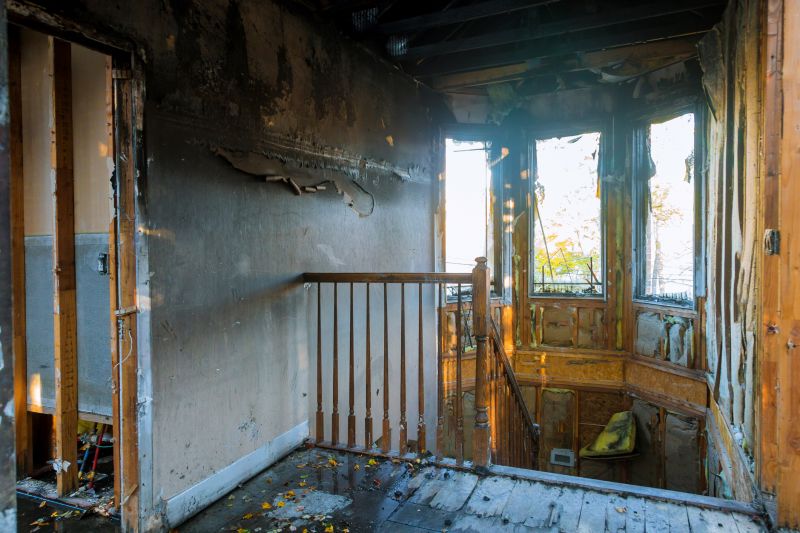
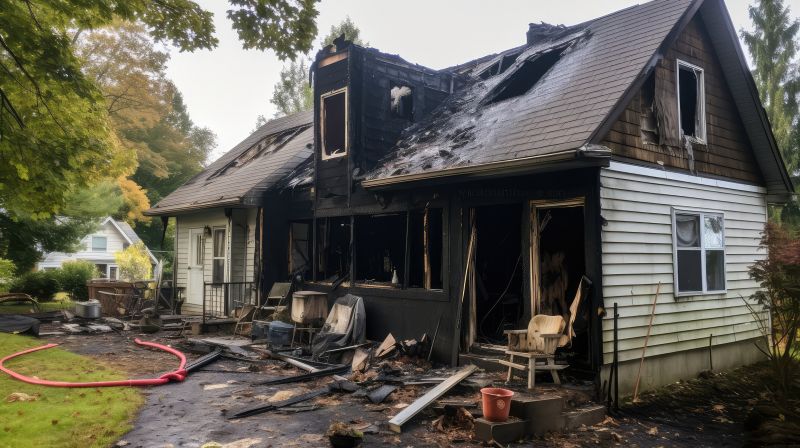
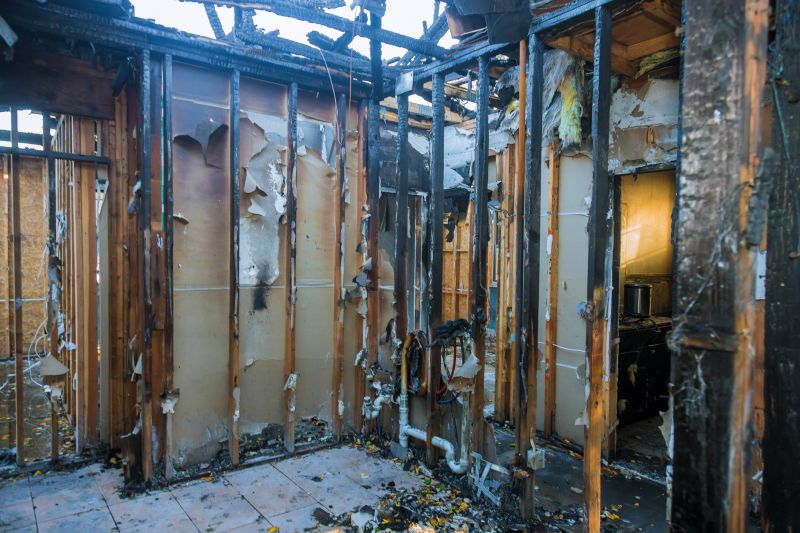
Understanding what to expect during the fire restoration process can help homeowners better prepare for the steps involved after a fire incident. When people search for this topic, they usually want to gain a clear picture of how fire damage cleanup and property recovery unfold. Fire restoration involves more than just cleaning up visible soot or smoke; it often includes assessing structural damage, removing hazardous materials, and restoring the property to a safe and livable condition. Homeowners seeking this information are typically concerned about the timeline, the scope of work, and how the process might impact their daily routines. Knowing what to anticipate can reduce stress and help homeowners make informed decisions when working with local service providers.
The fire restoration process generally relates to a variety of problems and planning considerations. Many property owners face damage caused by flames, smoke, and heat, which can weaken structural components and compromise safety. Additionally, smoke residues can permeate walls, furniture, and HVAC systems, requiring specialized cleaning techniques. Restoration plans often need to address water damage from firefighting efforts, mold prevention, and the removal of debris. Homeowners may also need to consider rebuilding or repairs to restore the property’s original condition or improve its safety features. Local contractors experienced in fire restoration help develop tailored plans that address these issues efficiently, ensuring that the property is thoroughly cleaned, repaired, and restored.
Properties affected by fire damage can vary widely, but common types include residential homes, multi-family apartments, and small commercial buildings. Residential properties are often the most visible examples, with damage ranging from minor smoke stains to complete structural loss. Multi-family dwellings may require coordinated efforts to restore common areas and individual units, adding complexity to the process. Commercial spaces, such as offices or retail stores, might face additional challenges related to business interruption and the need for rapid cleanup to resume operations. Regardless of the property type, local fire restoration service providers understand the unique needs of each setting and can adapt their methods accordingly. Their expertise ensures that the specific challenges of each property are addressed, helping owners return to normal use as quickly as possible.
Throughout the fire restoration process, homeowners can expect a series of practical steps designed to safely and effectively restore their property. Typically, the process begins with an initial assessment, where professionals evaluate the extent of the damage and develop a plan for cleanup and repairs. This is followed by debris removal, smoke and soot cleaning, and structural repairs if necessary. In many cases, specialized equipment is used to eliminate odors and restore air quality. Throughout each phase, local service providers work to ensure that safety standards are maintained and that the property is thoroughly cleaned and repaired. Understanding these stages can help homeowners stay informed and prepared for what is involved in restoring a property after fire damage, ensuring a smoother recovery process.
Structural Damage Repair - professionals in this area assess and restore compromised building frameworks, a key step in the fire restoration process to ensure safety and stability.
Smoke and Odor Removal - specialists use specialized equipment and techniques to eliminate lingering smoke smells, which is essential during fire damage cleanup.
Content Cleaning and Restoration - service providers help restore or safely dispose of belongings affected by fire and smoke, supporting comprehensive fire damage recovery.
Water Damage Restoration - many fire incidents involve water from firefighting efforts, making water damage services crucial for complete restoration.
Mold Remediation - after fire and water damage, mold prevention and removal are necessary to prevent further health risks and property issues.
Fire Damage Assessment - local contractors evaluate the extent of fire damage to develop effective restoration plans aligned with what to expect during the fire restoration process.
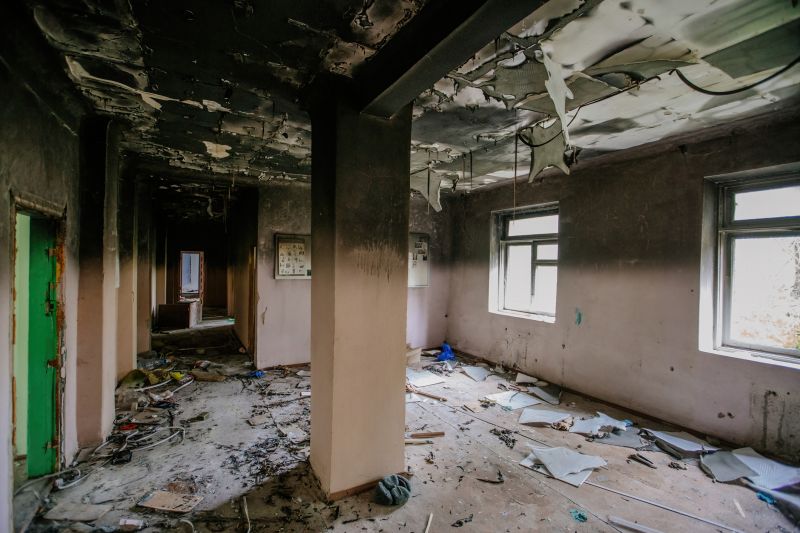
When evaluating fire restoration service providers, it’s important to consider their experience with similar projects. Homeowners should look for local contractors who have a proven track record in handling fire damage repairs, as this can indicate familiarity with the specific challenges involved in restoring homes after a fire. An experienced service provider will understand the typical stages of the fire restoration process, including debris removal, smoke and soot cleaning, and structural repairs, helping to ensure the project proceeds smoothly and efficiently.
Clear written expectations are essential when comparing local pros for fire restoration services. Reputable contractors should provide detailed estimates that outline the scope of work, materials to be used, and the steps involved in the restoration process. This transparency helps homeowners understand what to expect during the fire restoration process and minimizes surprises down the line. Well-documented plans also serve as a reference point, making it easier to track progress and ensure that all aspects of the project are addressed thoroughly.
Reputable references and strong communication are key factors in selecting a reliable service provider. Homeowners should seek out local contractors with positive references from past clients who have undergone similar fire damage repairs. Good communication throughout the project ensures that any questions or concerns are addressed promptly, fostering a collaborative relationship and building confidence in the contractor’s ability to deliver quality results. By prioritizing these qualities, homeowners can better navigate the process of choosing a fire restoration service that meets their needs and helps restore their home effectively.
Property owners often search for what to expect during the fire restoration process when they are planning practical projects around their homes and businesses. Local pros provide Fire Restoration services for everyday jobs and straightforward project options.
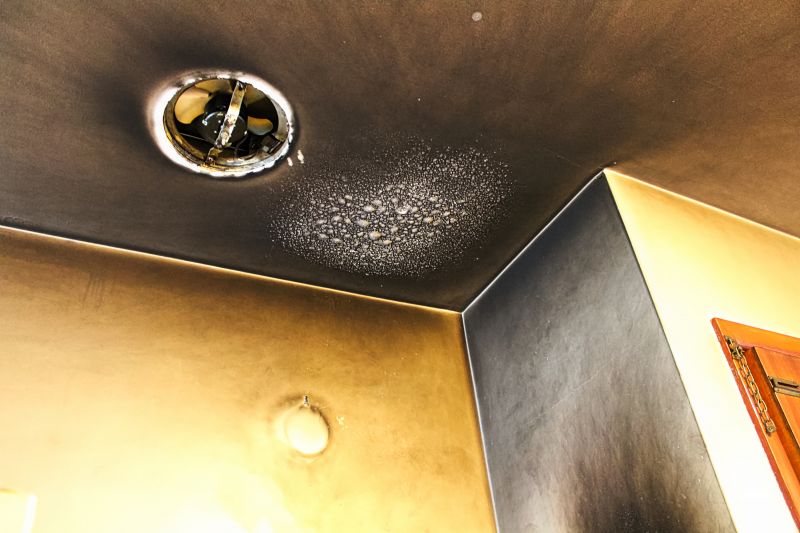
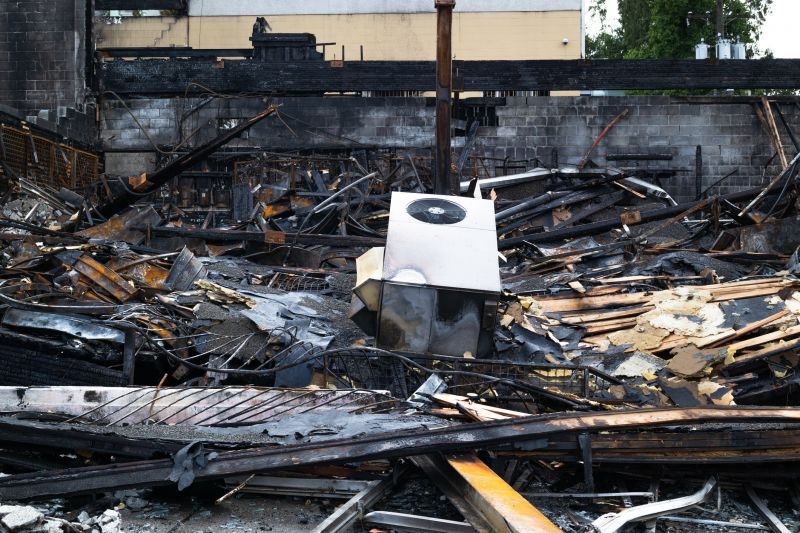
During the fire restoration process, property owners can typically expect a series of coordinated steps aimed at returning their space to a safe and livable condition. After initial assessment, local contractors often begin by securing the property and removing debris, which helps prevent further damage and prepares the site for cleaning and repairs. Homeowners might notice that the process involves multiple phases, including smoke and soot removal, cleaning of affected surfaces, and sometimes structural repairs. Understanding what to expect during the fire restoration process can make the experience less overwhelming, as these professionals are equipped to handle the necessary tasks efficiently and thoroughly.
Many property owners seek fire restoration services to address the aftermath of a fire, often wondering about the scope of work involved and how long the process might take. Local service providers are experienced in managing everything from odor removal to restoring damaged materials, which can involve a combination of cleaning, repair, and sometimes replacement. It’s common for property owners to observe ongoing work such as air filtration, surface cleaning, and minor repairs, all aimed at restoring the property’s safety and appearance. Connecting with local contractors can help ensure that the restoration process aligns with expectations and that the property is properly cared for throughout each stage.
What are the initial steps during the fire restoration process? Local contractors typically begin with an assessment of fire and smoke damage, followed by securing the property to prevent further issues. They then develop a plan to address structural damage and start cleaning and debris removal.
How do service providers handle smoke and soot removal? Fire restoration professionals use specialized cleaning techniques and equipment to eliminate smoke and soot residues from surfaces, ensuring the home is thoroughly cleaned and odors are reduced.
What kind of structural repairs might be involved? Local contractors may repair or replace damaged drywall, flooring, and roofing, as well as address any compromised structural elements to restore safety and stability.
What is the process for cleaning and deodorizing after a fire? Service providers use deodorization techniques, including ozone treatments and thermal fogging, to neutralize lingering smoke odors and improve indoor air quality.
What should homeowners expect during the final stages of fire restoration? The final steps often include detailed cleaning, inspection for any remaining issues, and preparing the property for reconstruction or occupancy, with local pros ensuring the space is restored to a safe and livable condition.
Assessment and Inspection - Local contractors will evaluate the extent of fire and smoke damage to determine the necessary restoration steps.
Content Cleaning and Debris Removal - Professionals will carefully remove soot, ash, and damaged materials to prepare the property for repairs.
Structural Repairs and Restoration - Service providers can handle repairs to damaged walls, ceilings, and flooring to restore the property's safety and appearance.
Odor Removal and Air Quality Improvement - Experts will use specialized equipment to eliminate lingering smoke odors and improve indoor air quality during the process.
If you are thinking about what to expect during the fire restoration process for a property, this guide is meant to help you understand this topic, the typical project types, and how different options might fit your plans.
When you are ready, you can use the quote form on this page to share a few details about your project. From there, local pros can review the basics and follow up with options that match what you have in mind.